Amazing Animals in Playa del Carmen: A Wildlife Adventure in the Riviera Maya
Explore the diverse wildlife of Playa del Carmen and Riviera Maya, from wild animals to unique marine life in this Yucatan Peninsula paradise.
Did you know that the Yucatan Peninsula is home to over 500 bird species and a multitude of exotic animals? This incredible biodiversity makes Playa del Carmen and the surrounding Riviera Maya a dream destination for nature lovers and wildlife enthusiasts.
In this blog, we'll explore the amazing animals in Playa del Carmen, from fascinating land creatures and vibrant birdlife to mesmerizing marine life. Get ready to embark on a thrilling journey into the heart of this tropical paradise and uncover its hidden treasures.
Amazing Land Animals in Playa del Carmen

Playa’s Monkeys and Rodents
The Yucatan Peninsula is home to several species of monkeys, such as the spider monkey and the howler monkey. Spider monkeys are native to Mexico and can be found throughout the Riviera Maya. With their long tail and agile movements, these primates are easy to spot in the dense jungle canopy.
If you keep your eyes peeled on the treetops, you might spot some monkeys in the quieter streets of 5th Avenue.
Other interesting mammals that live in Playa del Carmen include the agouti and the Yucatan squirrel. Agoutis are rodents that look like a large rat and are native to Mexico. These animals might not be as popular as the monkeys, but they play a vital role in the ecosystem by dispersing seeds and helping the jungle thrive.
Coatis and Other Wildlife in the Riviera Maya
The Yucatan Peninsula is home to many other animals, like the coati or coatimundi, a mammal related to the racoon. Coatis can be found roaming around Playa del Carmen, especially near Mayan ruins and eco-parks like Xcaret Park. I've even seen them wondering around resorts I've stayed at.
These animals are known for their white-nosed appearance and their long tail. Keep your eyes open, and you might spot one of these amazing animals during your visit.

Reptiles and Amphibians of Tulum and Cozumel
Tulum and Cozumel are home to a variety of reptiles and amphibians. Iguanas are a common sight, basking in the sun or resting on ancient Mayan structures. These lizards are harmless and easy to observe, making them one of the popular animals in the region.
In the lush jungle and around cenotes, you can also find frogs and other amphibians. The yellow-spotted frog, for example, is native to the Yucatan Peninsula and symbolizes fertility and life in Mayan culture. Keep your ears open for their unique calls as you explore Tulum's natural habitats.
Jaguars and Other Elusive Creatures
While it's rare to encounter a jaguar in the wild, the Yucatan Peninsula is home to this endangered species. Punta Laguna Reserve, located near Playa del Carmen, is one of the best places to increase your chance of seeing these elusive big cats.
Other elusive creatures you might run into include the Mexican crocodile, also known as the American crocodile, and the tapir. These animals are more difficult to spot but contribute to the incredible biodiversity of the region.
Fascinating Birdlife
Colorful Macaws and Parrots in Playa del Carmen
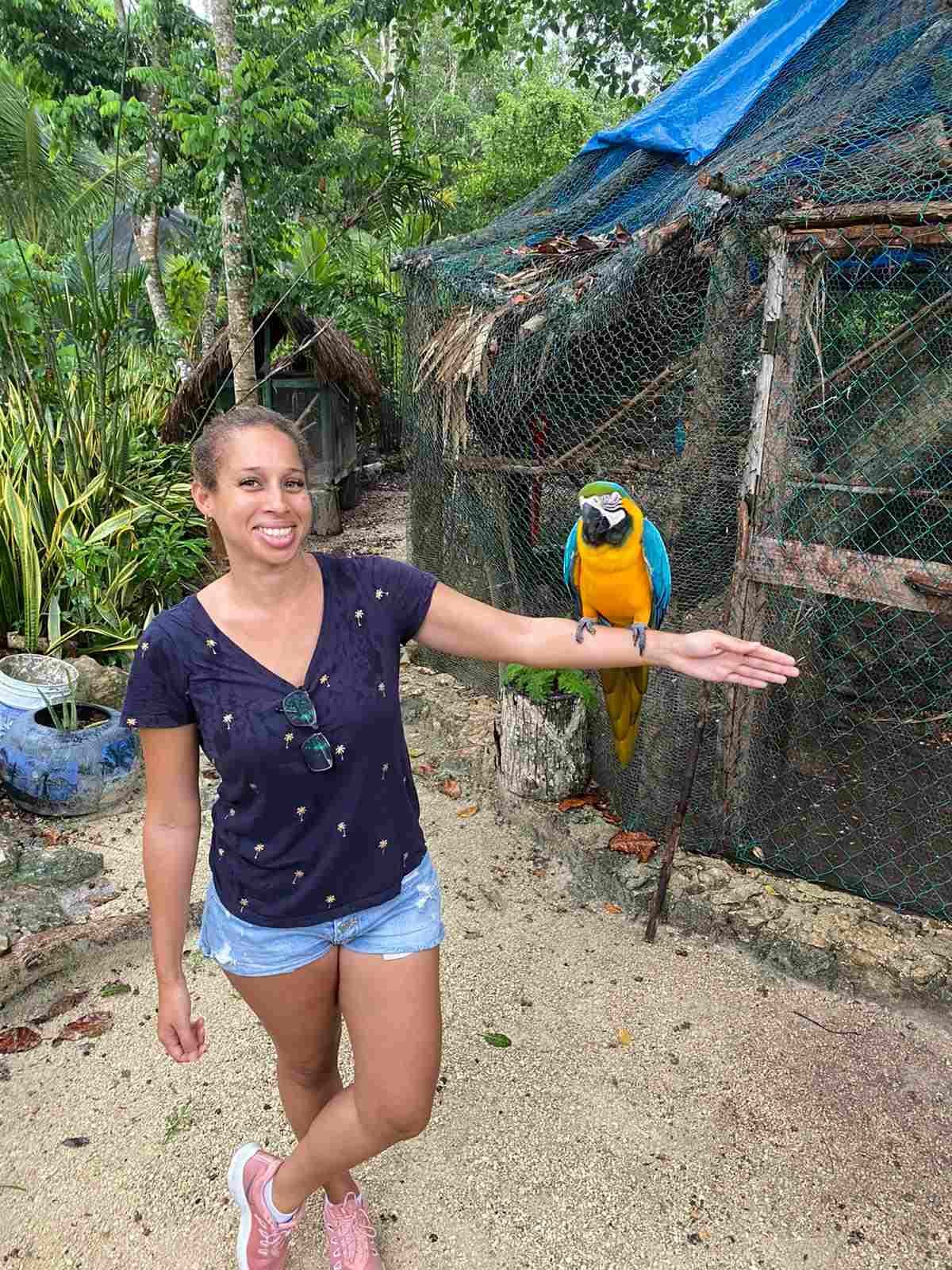
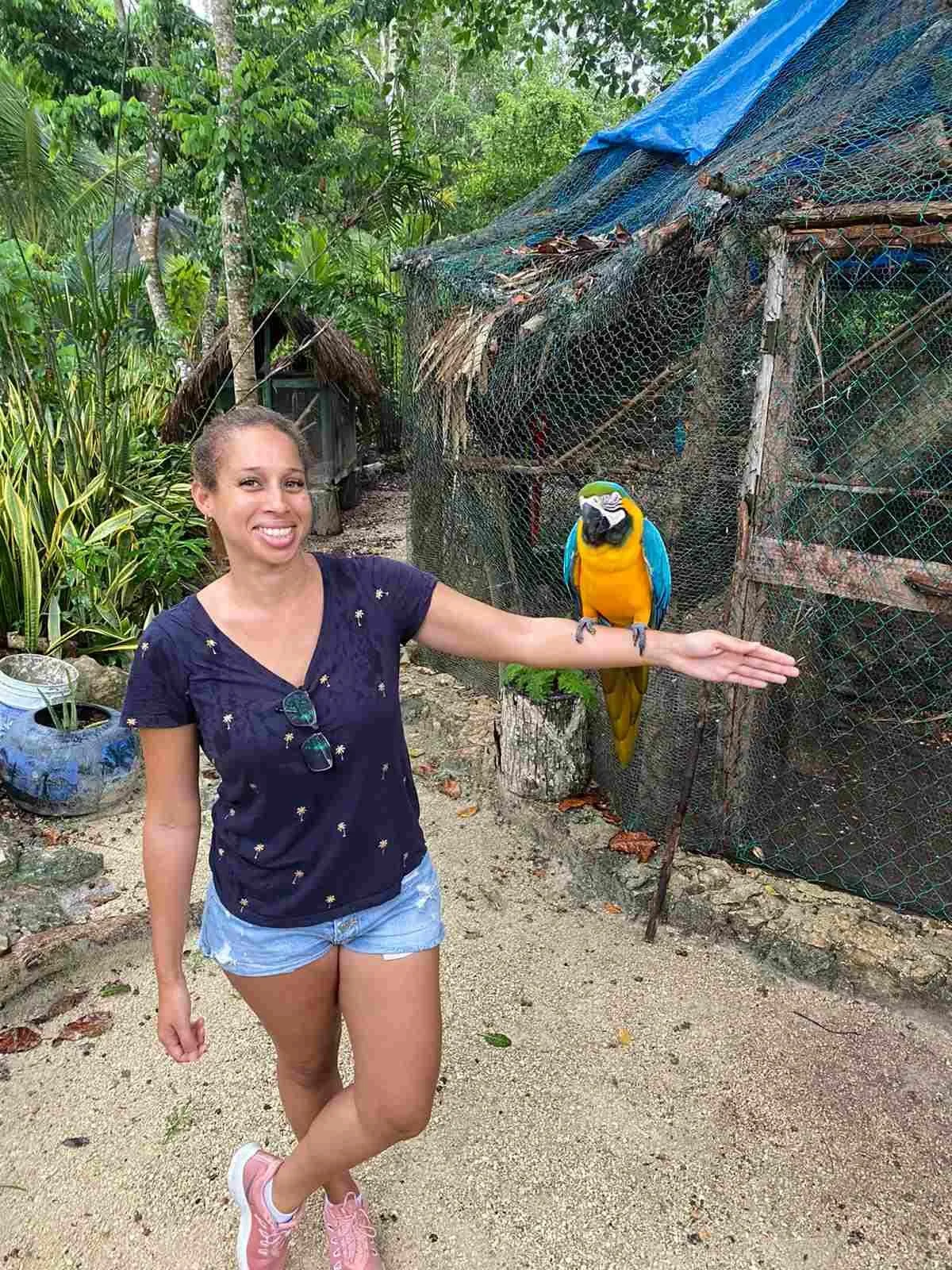
The skies of Playa del Carmen are filled with amazing animals, including the vibrant macaws and other parrots. These colorful birds can be found throughout the Riviera Maya and are often seen in places like Xcaret Park and Playacar Aviary. With their striking plumage and loud calls, these birds are easy to spot and are a delight for bird enthusiasts.
Coastal Pelicans and Spoonbills of Tulum
Tulum's coastal areas are home to many other animals, such as the pelican and the spoonbill. These fascinating birds can be found near the beach, where they dive for fish and wade through the shallow waters. Keep your eyes peeled for these aquatic birds as you explore Tulum's beautiful shores.
Marine Life Wonders
Sea Turtles in the Riviera Maya
The Riviera Maya is home to several species of sea turtles, which are some of the most amazing animals you can see in the region. Beaches like Akumal and Xcacel are known for being nesting grounds for these endangered species. During the nesting season, sea turtles come ashore to lay their eggs, and if you're lucky, you might witness this incredible event.
Dolphins and Manatees of the Yucatan Peninsula
The coastal waters of the Yucatan Peninsula are teeming with life, including dolphins and manatees. These gentle aquatic mammals can be found in lagoons and near the shoreline. Boat tours and snorkeling excursions in the region provide opportunities to encounter these amazing animals in their natural habitat.

Diving and Snorkeling in Playa del Carmen
Playa del Carmen and nearby Cozumel are two of the best places to explore the underwater world of the Caribbean Sea. The crystal-clear waters are home to a variety of marine life, from vibrant coral reefs to schools of colorful fish.
While snorkeling or diving, you might encounter different species of aquatic animals, such as rays, sea turtles, and even the occasional shark. Be sure to bring your snorkel gear or book a diving excursion to make the most of your visit to Playa del Carmen. If you’re planning on a visit to Cozumel, check out my day trip guide.
Wildlife Viewing Opportunities
Best Places to See Animals in Playa del Carmen
Playa del Carmen offers numerous opportunities to see many animals in their natural habitats. Visiting eco-parks like Xcaret Park and Punta Laguna Reserve allows you to encounter a variety of wildlife, including monkeys, coatis, and even jaguars.
The Mayan ruins near Tulum and throughout the Riviera Maya are also excellent spots to observe iguanas, birds, and other fascinating creatures.
Exploring the Beaches and Coastal Areas
The coastal areas around Playa del Carmen, such as Akumal and Xcacel, are prime locations for witnessing sea turtles, especially during nesting season. Additionally, snorkeling and diving excursions offer the chance to see dolphins, manatees, and a myriad of colorful marine life. One of the best places to spot dolphins in the wild is at Sian Kaʼan Biosphere Reserve.
Discovering the Jungle and Cenotes
The dense jungles and cenotes near Playa del Carmen provide unique wildlife viewing opportunities. Here, you might spot the Yucatan spider monkey, howler monkeys, agoutis, and a variety of reptiles and amphibians. Don't forget to keep your eyes open for tarantulas and other fascinating spiders in Mexico.
Top Tours to Spot Wildlife
Punta Laguna Nature Reserve: This full-day experience includes a visit to both Punta Laguna and Coba Ruins, both excellent places to spot monkeys in the wild. You’ll also get the opportunity to hike, zipline, and canoe then visit a cenote.
Off the Cancun coast: If you’re visiting Playa between May and September then you have the opportunity to snorkel with whale sharks and manta rays. This is honestly one of the best wildlife experiences I’ve ever had anywhere so you should definitely add it to your itinerary. There’s truly something special about being up close to these gentle giants of the sea.
Sian Ka’an Biosphere Reserve: On this full-day tour you’ll visit both coastal and mangrove habitats teeming with wildlife like dolphins, sea turtles, and a large variety of birds. You’ll get an opportunity to snorkel and see what’s hiding underwater and even get the chance to spot the elusive manatee on its home turf.
Akumal Beach: This nearby beach town is the home of a bale of both green sea turtles and loggerhead turtles. Thanks to the protection programs in place and the plentiful seagrass found in the bay, you can snorkel with these turtles right from the shore. Keen to see more monkeys as well? You can also find the Akumal Monkey Sanctuary if you head for the jungles of Akumal.

Tips for Responsible Wildlife Tourism
When encountering wild animals, it's important to maintain a respectful distance and avoid disturbing them or their habitats. Avoid feeding wildlife, as it can lead to unhealthy dependencies and disrupt natural behaviors. Keep noise levels low, and stay on designated paths to minimize the impact on the environment.
Supporting Conservation Efforts
Many species in the Riviera Maya, like the sea turtles and jaguars, are endangered due to habitat loss and other threats. By visiting eco-parks, wildlife reserves, and supporting local conservation organizations, you can contribute to the protection and preservation of these amazing animals.
Practicing Responsible Tourism
Finally, practice responsible tourism by choosing eco-friendly accommodations, participating in sustainable activities, and minimizing your environmental footprint. By doing so, you help ensure that future generations can enjoy the incredible wildlife that the Yucatan Peninsula has to offer.
Unforgettable Memories with Playa del Carmen's Wildlife
As you explore the wonders of the Riviera Maya, you'll be amazed by the rich and diverse wildlife that calls this region home. From the agile spider monkeys swinging through the trees to the gentle sea turtles nesting on the shores, the animals in Playa del Carmen offer unforgettable experiences and memories that will last a lifetime.
Don't miss the opportunity to witness these extraordinary creatures in their natural habitats, and remember to practice responsible tourism to help protect and preserve them for future generations. Let us know in the comments below if you've spotted any of these amazing animals during your visit!

Looking for more? Check out these other Mexico guides:


Hey there! Just wanted to be transparent and let you know that some of the links in this blog post may be affiliate links. What does that mean? It means that if you click on one of those links and make a purchase, we may receive a small commission. But don't worry, it doesn't cost you anything extra! In fact, it helps support the blog and allows us to keep creating awesome content for you.

Why You Should Visit Lone Pine Koala Sanctuary On Your Next Aussie Vacation
Lone Pine is the oldest and largest koala sanctuary in the world. Here you can learn all about these super cute animals and get a chance to take a picture with them or even hold them and have a cuddle session.
Lone Pine houses 130 koalas as well as kangaroos, wallabies, emus, dingoes, snakes and lots of other Australian wildlife. There are shows on during the day as well as some great hands-on experiences with the animals.
When you live in Australia and friends and family visit usually the first thing they want to do is either cuddle a koala or pet a kangaroo. I’ve been to Australia Zoo more times than I count due to the legend of “The Crocodile Hunter”, Steve Irwin and now his daughter Bindi's fame spreading to the rest of the world via Dancing With The Stars. It must be the same for people who live near Disney World or Times Square in New York. Great to visit a couple of times, not so much the eight, ninth and tenth times.
This week I had a friend visiting from the States and I was surprised when she suggested we spend the day at Lone Pine Koala Sanctuary. Doing some research I found that Lone Pine actually ranks as #2 on TripAdvisor and it’s really affordable. Adults are $32.50 and kids (under 13) are $19.80 if you book online. They also offer discounted family passes.
Check out some more great websites for planning your holiday activities


Where is it?
Lone Pine is located 15 minutes by car from Brisbane City. You can also get here by public transport from Brisbane. Bus number 430 from Queen Street Station and bus number 445 from Wickham Tce stop 158 are your easiest options. Check out Translink’s website for help planning your trip and fare information while in Brisbane.

What can I see and do?
Lone Pine is the oldest and largest koala sanctuary in the world. Here you can learn all about these super cute animals and get a chance to take a picture with them or even hold them and have a cuddle session.
Lone Pine houses 130 koalas that live in different exhibits around the sanctuary, according to their age and gender. These homes include the “Boys”, the “Kindergarten” and the “Retirement Home” where the oldies go for a more quiet and relaxed lifestyle. These areas are spread out throughout the sanctuary so there’s always a koala nearby.
There are two koala talks on during the day (at 12 pm and 2 pm) so that you can learn more about the koalas and get a chance to learn how you can help them thrive in the wild.
At 1 pm there is an opportunity to get a picture with your own camera for a small donation of your choice. Get there early as the line can be quite long but does go quickly. If you want a more hands-on experience then you can opt for a professional photo session. Starting from $18, you can hold a koala and get a professional shot to take home with you.

A male koala is easily distinguished by a brown mark on his chest. The brown mark is his scent gland which he rubs against the base of the trees in his territory as well as rubbing it on the trunk as he climbs. In doing this he marks out his territory and attracts females. If you can smell a strong odour, it may be the males in front of you. Photo by Les Olsen / CC BY-SA 2.0
Almost sharing the spotlight with the koalas are the kangaroos. Lone Pine has a large kangaroo and wallaby free-roaming reserve. You can walk amongst the kangaroos, pat them and even feed them. Make sure to pick up a bag of kangaroo food from the cafe for $2. With some of these pellets you will quickly become the most popular human around!
There are also a few emus wandering around that are very friendly. One was almost a little too friendly and went snooping around my handbag!
On my day trip to Lone Pine I easily spent a couple of hours hanging out in the Kangaroo Reserve. If you’re travelling with kids it will be hard to pry them away to visit the other animals!
Top Tip: If you're heading to Sydney you can also have some fun animal opportunities at Taronga Zoo, which is also on the water with great views of Sydney Harbour.

Failed kangaroo shot! He was getting up and close and personal trying to get some food :|
Other Australian wildlife that you can see at Lone Pine include tasmanian devils, snakes, perentie (Australia’s largest lizard) wombats and dingoes. On my visit I was extremely lucky to be able to visit the snake exhibit right after they were fed. I got an eye-opening experience of a snake slowly devouring a baby chicken. if this is your thing, then make sure to ask one of the staff what time they’ll be fed.
There are also platypus in the same area and I know from experience how tough they are to spot in the wild so make sure to check out these cute little guys while you’re here.
Did you know?
Lone Pine was home to a special koala named Sarah until 2001. Sarah made it into the Guinness Book of Records for being the world’s longest lived koala.


Male kangaroo next to a female. Check out those muscles!
There are several shows on during the day including a raptor show, platypus feed and keeper presentations and a sheep dog show. Have a look at the schedule before you visit and make sure to pick your must-sees. Try to arrive 5 minutes early to get the best seats!
For a more hands-on animal encounter you should participate in the wild lorikeet feeding and the barn animal encounter experiences. These are great for little and big kids. Imagine being surrounded by these cute colourful birds while you are used as a tree while they eat.
The raptor show lets you see these grand birds in action. You get to learn about them and their hunting habits and also have a few close call fly overs. Sit up the front for the chance to feed an owl yourself. Not for the fainthearted though!

Wallaby selfie :D

Emu sneaking through my handbag!
Facilities
There is free wifi available all around the sanctuary but it is fastest near the cafe. You can also find charging ports near the cafe in the Blogger’s Lounge which is very useful when you’re battery is dying after too many kangaroo selfies!
The General Store is where you can buy kangaroo food, cafe-style meals and snacks, coffee and cold drinks. There are gluten free and vegetarian options available. For something more something substantial, though, and a much better view, the Riverside Cafe is located just outside the sanctuary but still on the grounds. There are picnic tables and a bbq there if you want to self cater. Just make sure to get a stamp from the gift shop at the exit so you can come back in.
There are excellent toilet facilities through the sanctuary that are kept super clean. My only critique is that I couldn’t find any water fountains to fill up my water bottle but the water is safe to drink in Australia so I just used the tap from the restrooms.
One great feature that I noticed are the child-height view points in most of the exhibits. If you have a little one they should be able to get their own unique insights into each of the animal habitats. I also used these to get some great ground level photos.

Koala Facts
The life expectancy of a wild koala is 8 to 10 years whilst captive koalas can live 12 to 15 years.
Male koalas generally have a shorter lifespan than females.
Male koalas are also larger than females. An adult male koala weighs between 7 and 14 kilograms whilst females usually weigh between 6 and 11 kilograms.
Each koala’s hand print is unique, just like our fingerprints.
Koalas first and second toes are fused together on their hind paws and there are two claws on this toe. They use this claw like a little comb to clean themselves.
Visitor information
Open 7 days a week
9:00 am to 5:00 pm
Address: 708 Jesmond Road, Fig Tree Pocket, Qld 4069 Australia
Phone: +61 7 3378 1366
Email: service@koala.net
Website: http://www.koala.net/
You can pre-purchase tickets online and save 10% (no code needed).




Is Playa del Carmen in Cancun? Find out and plan your perfect beach escape in Mexico with my insightful travel tips.