
Why You Should Give Livingston A Chance
Livingston is a small town with several places to explore, including the Siete Altares. The best part for me was just wandering around town, chatting to the local people and experiencing life in this very different part of Guatemala.

When I was deciding whether I should visit Livingston I read a lot of negative impressions of the town online. Many people felt that it wasn’t worth staying here for more than a few hours or a day in transit; that it was unsafe and dirty and; that it was full of hustlers and people trying to make money off you.
Information online was scarce and I worried that this would be another fishing village that would test my vegetarian diet once again.
I found the exact opposite. When I walked off the boat in Livingston I was asked by one young man if I already had a place to stay and when I told him yes, he left me alone. Walking out of the small port I was greeted with Garifuna music and I really felt like I’d found somewhere I could explore for a few days.
It’s a small town but there are several places to explore, including some great food options. The best part for me was just wandering around town, chatting to the local people and experiencing life in this very different part of Guatemala.
Livingston does have a problem with trash that has floated down river and collected here at the mouth of Rio Dulce but most of it is away from the main streets and there are still a couple nice beach areas that you can swim in to cool down.

Siete Altares
(Seven Altars)
Open from 6am to 4:30pm; Cost: 20Q
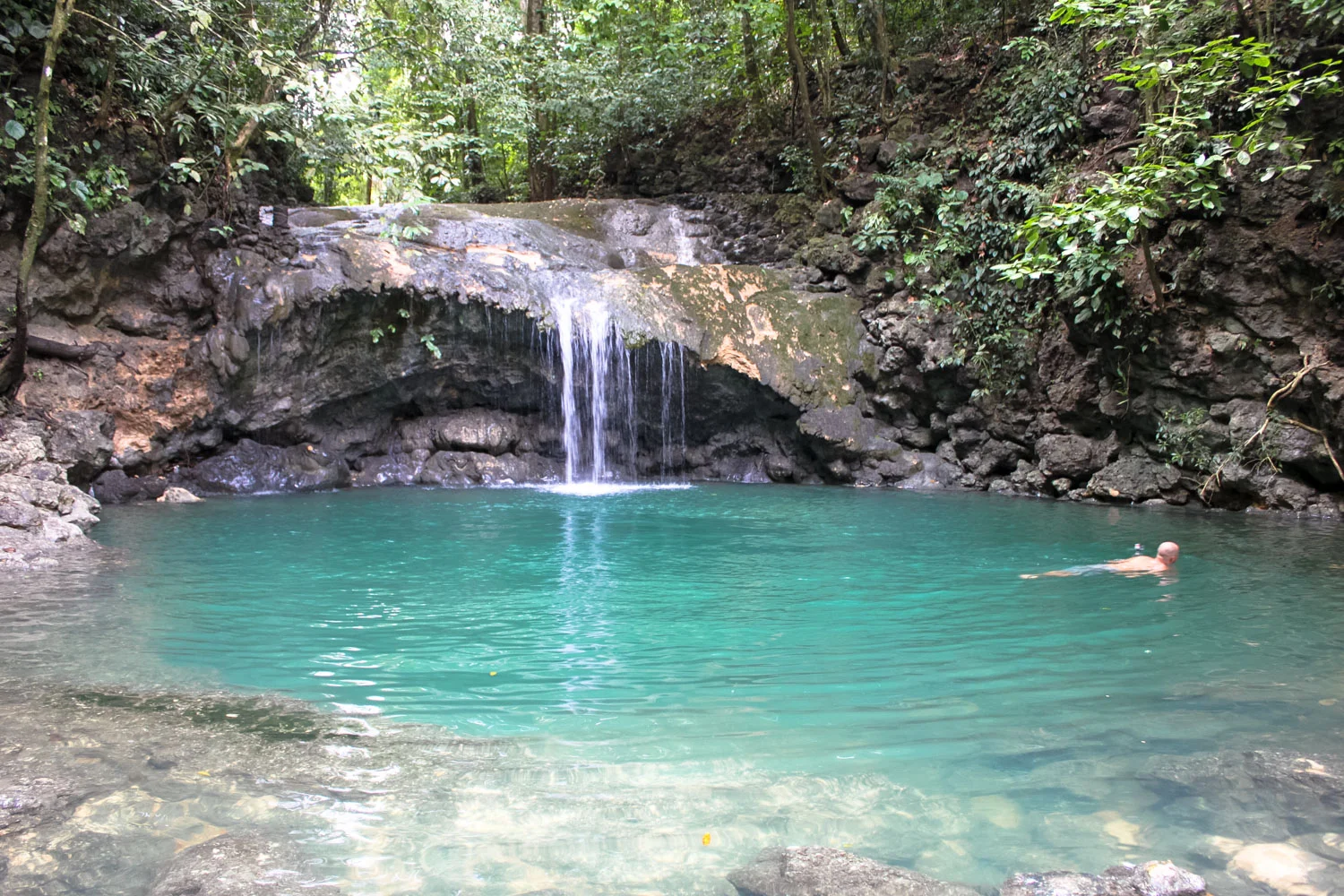
One of the best ways to spend half a day in Livingston is to visit the Siete Altares site. When you get there you don’t need a guide so you take your time to walk to the waterfall and then have a picnic or just bathe in the cool pool below. There is also a jump off the falls that you can attempt if you’re not afraid of climbing up there.
It’s about a 1.5 - 2 hour walk there and then another half an hour to the top pool and waterfall. To save some time you can take a taxi halfway and arrange for it to pick you up again. You can also get a boat directly to the site and arrange for a pick up.
The halfway point is Hotel Salvador Gaviota where you can stop for a drink or a meal either on the way there or the way back. There are beach chairs and hammocks for you to relax in along the shore.
If you have the time and if this is the only activity you do in Livingston, then I strongly suggest you walk the whole way there as you get to walk through the whole town and see life outside of the main tourist streets near the dock. You can always try to get a ride on a boat on the way back or get a taxi on you’re past the halfway point.
You will spot some trash on the beaches along the way which is kind of a downer but once you get to the site it is very well maintained.
The Garifuna People
The Garifuna people are the descendants of West African, Central African and the Carib and Arawak people often found throughout the Caribbean. They speak the Garifuna language which has influences from French, Spanish and English so you might recognise some words every now and then if you stop to have a listen.
One interesting fact about the Garifuna people is that their name is actually derived from the Caribs who were originally called "Karifuna" which means the "Cassava Clan". "Garifuna" literally means "cassava-eating people". Cassava or yuca is a popular root vegetable used through Central America and in the Caribbean. You can get a sense of the rich history of the Garifuna people by trying some cassava bread in town.
Getting there and away
The best part about Livingston is that it is a convenient stop when visiting nearby Rio Dulce which is a popular stopping point for travellers en route to or from Honduras. As there are no roads in and out of Livingston, the journey is an experience in itself as you need to get a boat that will take you through some interesting sites along the way and you also get to see what life is like for people who live along the river.


Have you been to Guatemala and skipped Livingston? Or even better, have you visited and have anything else to add? Let me know in the comments below!


How to Survive with Dietary Restrictions When Travelling
Anyone with dietary restrictions might have serious doubts about travelling in a developing area. Those doubts are definitely founded but with a little bit of preparation and some helpful advice you should be able to get by just like everyone else and walk away with a full tummy.
Anyone with dietary restrictions might have serious doubts about travelling in a developing area like South America, Africa or India. Those doubts are definitely founded but with a little bit of preparation and some helpful advice (mine!) you should be able to get by just like everyone else and walk away with a full tummy.
Be prepared
Rule #1 of a restrictive diet is to always have something to eat on you. This could be a granola bar, nuts or fruit; just try to make sure it has some sort of nutritional value so you’re not going to be hungry again in 20 minutes.
Even if you follow all of the tips below there will be a time when you can’t find something to eat and you’ll be glad for the pre-packaged sustenance. If you're anything like me, once that hunger hits you won't be able to do any sort of rational thinking until you get something in your stomach.
Know what to expect
Just like with other aspects of the culture you are visiting, it is important to do some research into what you can expect in your chosen location.
What does a regular breakfast, lunch or dinner look like?
How late or early do they eat?
What is the street food like?
Will there be modern-style grocery stores or do you have to rely on markets?
Is the diet predominately meat?
What vegetables are grown locally?
What are the traditional dishes?
What are the basic ingredients of a meal? Is peanut oil used? Lard instead of butter? Do they like ham in their potato salad?
Once you know what to expect you can start thinking about how you can adapt your diet to the culture.
You can also consider reaching out to other veggie travellers through groups on facebook or find some while travelling to help get a better idea of what you should know for your next destination.

A vegetarian Japanese meal in a small town in Guatemala
Learn the basics
If you are travelling to a non-English speaking country, learn how to say what you can and can’t eat in the local language. Even better write out your restrictions so you never feel rushed in a situation where there are many people ordering quickly, like with street food. I have even seen some travellers with severe allergies carry a card with a picture of their allergy with a red cross through it. That should get the point across!
Always advise your requirements when ordering! My little sister is allergic to nuts, amongst other things, but dislikes drawing attention to it when she eats out because she doesn’t want to make a fuss. Sadly, she’s been caught out a few times by mystery ingredients that have made her unwell.
Remember, even if it looks safe on the menu it’s always worth it to double check that they’re not going to add something that you can’t eat. You might be pleasantly surprised and get something special prepared off-menu by an eager chef.
Don’t use labels
Due to variations in certain diets, people can be confused or previously misled by what you may or may not eat. As a vegetarian I am often offered fish, chicken and even pork because other “vegetarians” have eaten those things. I recently met a vegan who ate dairy and eggs "outside of home" and even ate shellfish “because they don’t feel any pain”.
Everyone has different reasons for eating what they do but just be aware that simply stating that you are a part of a certain group of people leaves your meal up to interpretation. Be specific!
Understand what you will missing
Having dietary restrictions often means you will miss out on having some of the traditional dishes of a country. No need to despair though! Usually if you head to any tourist hub you can find alternative versions of local dishes.
When studying Spanish in Cusco, I ate a lot of my meals at a vegan restaurant that made vegan dishes of the local meals. I even got to have a mushroom ceviche!
You could also try to find a local cooking school that is willing to help you adapt a particular dish and learn how to cook it yourself.
If it doesn’t change the recipe drastically (like no peanut oil for a stir fry), you can try to direct the restaurant or food vendor to emit a particular ingredient. In El Salvador and Honduras where the pupusa and balleada are cheap and tasty streets foods, it’s very easy to get vege-only versions.
Think about your nutrition
When I’m travelling I find it especially difficult to make sure I’m getting a balanced diet each day. Some days I’ll get to midday and have no energy and just want a nap. More often than not I’ll realise that I’ve had no protein, thus the lack of energy.
Make sure that whatever you are eating every day has a good balance of carbohydrates, fats, proteins as well vitamins, minerals and lots of water!
Find health food stores to stock up on nutrient-rich foods that you can eat on the go or add to your meals. I genuinely recommend chia seeds because they are rich in fibre. Research other so-called “super foods” to supplement nutrients that you might otherwise be missing out on.
Health food stores are also great places to find alternatives like soy and nut milks for those who don’t eat dairy. If you like a light breakfast you could consider buying some protein powder and mixing that up with some water for a quick meal that you can also take on the go.

Typical Nicaraguan breakfast - filled with proteiney goodness
Top tip: Breakfast for lunch?
This is my favourite piece of advice! It’s true, breakfast is the best meal of the day and if you have dietary restrictions, it’s also the easiest way to accommodate them.
For a person with dietary restrictions, breakfast can be your saviour. If you’re a celiac, then you can have fruit salad or a breakfast without the toast or tortillas. If you’re lactose intolerant then just avoid the yoghurt and any butter-heavy meals. Vegan? Just skip the eggs and enjoy something more continental.
I have found that even in the smallest towns I have been able to find something enjoyable and filling for breakfast. It’s also the easiest thing to cook for yourself if you have access to a kitchen. Usually, I will try to eat my full at breakfast and then just have a light snack at lunch.
Importantly, if you’re stuck for something to eat at lunch or even dinner, try asking if you can have a breakfast dish instead. This has worked for me in a pinch and as breakfast is my favourite meal it never feels like I’m missing out. Most places will be happy to prepare a breakfast dish for you, especially if you let them know that it’s because you don’t have many other choices on the menu.
Other helpful tips
1) Find a place with a kitchen so you can cook for yourself. Think hostels, Couchsurfing or Airbnb. Google is your friend here and can help you find those unique properties like this gold option I found when searching for where to stay in Sayulita.
2) When in doubt head towards places that you know will have food that you can eat. Italian, Indian and Middle Eastern food are usually my safe bets and you should be able to find one of these in any bigger city.
3) Browse markets for fresh fruit and veg that you can eat on the go. Often there are chopped and bagged fruit ready for you to snack on or take on-the-go.
4) Use websites like TripAdvisor, Foursquare or HappyCow to find specific food types in your location.
5) Be prepared to be bored with your choices. In some places, you might find that there really are just not that many options for you. In the Amazonian jungle region, I have often found that the choice was rice and fish or just rice. Luckily, I had my handy bottle of hot sauce to spice it up as well as a few pieces of fruit and veg to keep me going.
6) Get ready to have many a conversation about your chosen diet. More so than at home, people will likely want to delve into your diet, why you’ve chosen it, how it works etc. In some places, locals might be baffled and genuinely confused about why you eat what you do.
7) Raw oats! These are a great option for an on-the-go quick healthy meal. Just add hot water and you’re good to go. I have been able to find some variety of these in most places I’ve been to. Also check out other local grains available, like quinoa in South America or Teff in Ethiopia.

Vegetarian ceviche in san jose, costa rica
As someone who’s been plant-based for over 18 years and who enjoys getting out and exploring the world, I admit that sometimes I have come across some tricky food situations. I have learnt over time that the most important thing is to be prepared and you should be able to overcome most obstacles. If all else fails, you should always have a granola bar or piece of fruit handy that can keep you satiated until you find another option.
Just remember to stay positive and enjoy getting to know the culture around you. Even if you’re not getting to eat everything that locals do, keep in mind that some locals have dietary restrictions too! Have you got any tips for surviving with dietary restrictions while travelling?

How to use your phone while travelling
Have you ever thought about what the options are for using your phone while overseas? Depending on the type of trip and your desire to remain connected, the need to access either wifi, data and voice calls on your phone will vary.
Have you ever thought about what the options are for using your phone while overseas? Depending on the type of trip and your desire to remain connected, the need to access either wifi, data and voice calls on your phone will vary.
Some things to think about:
- How long is your trip?
- Will you be happy with wifi in your hotel and cafes?
- Do you need access to a data plan for work?
- Will it make you uncomfortable if you are unable to access the internet or a phone signal for long periods of time?
- Are you travelling in a remote location?
- Will you be travelling in just one country or will you be in and out of different countries?
Here are some of your options:
1) Wifi only
For: travellers who are don’t need access to a phone plan for calls or data. You are comfortable accessing what you need when and if you have wifi. You aren’t interested in navigating the potentially complicated world of phone plans or won’t be in one country long enough to benefit from the cost and time it takes to organise one. You are sticking to the well trodden tourist paths.
Wifi only should suit most travelers. These days it is rare not to have access to wifi in a hotel or hostel and even Airbnb’s usually have wifi.
You should also be able to get the odd wifi connection in the more touristy cafes and restaurants and I even spotted some wifi in a local 6-table restaurant in Santo Domingo.
There are also a few apps that make life easier when travelling without mobile data. One great app to use if you are doing wifi only is WiFi Map. You can download locations of free wifi spots and their passwords in advance. Most small towns are free to access and some of the bigger cities require you to pay for access to the information.
Another tool is Foursquare. Often a helpful local or traveller will post the password of a business. You will need to check Foursquare while you are online so a bit of forward planning is required.
In a big city? Seek out large chain restaurants like McDonalds or Starbucks as they will most likely offer free wifi.
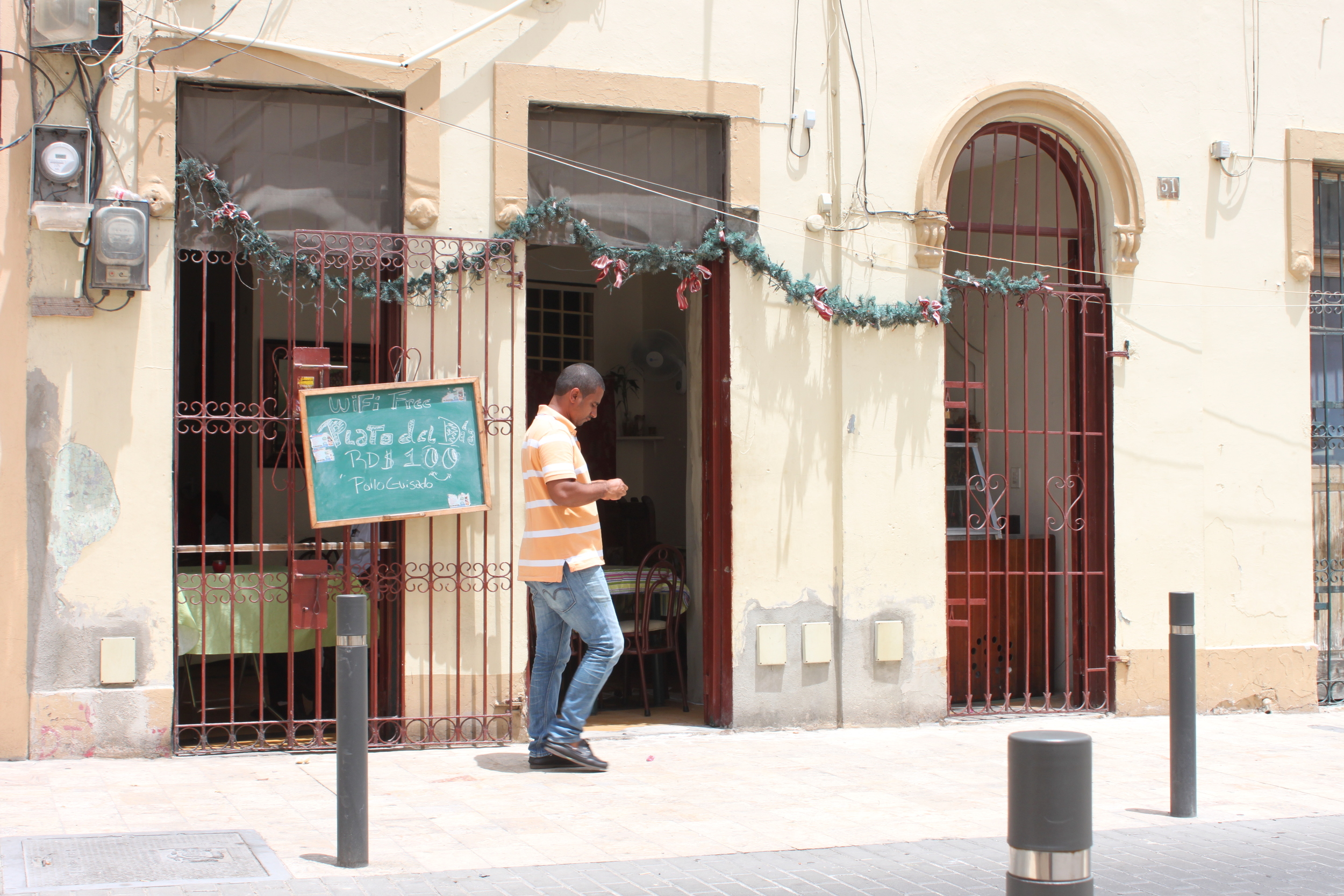
Free wifi in a 6-table cafe in Santo Domingo, Dominican Republic
2) Local sim card (voice only or voice and data)
For: Any traveler spending more than a couple of weeks in one country. Anyone needing to stay connected on the cheap. Anyone who wants a bit of a safety net when heading off the beaten track.
I often opt for this option if know I will be heading somewhere that requires complex navigation or organisation. I’ve gone as far as kissing my phone when I had taken the wrong bus, got dropped off in the middle of nowhere and the bus driver disappeared before I could quiz him on how I could get back to civilisation. I easily found the bus schedule on the city transport website and found an easy route to my destination.
Contacting airbnb hosts in the middle of the night when their directions have failed you is also a common one for me. The ability for my family back home to get in touch with me if I don’t have access to wifi in a more remote location also gives them a lot more confidence in my travel plans.
Often, with a bit of a research, you find that a sim card costs $1 or $2 and you can load as little as $1 worth of call time onto it.
My advice is to simply google the country name you are visiting and “phone plan”. You will usually find information on how to get a sim card and how to recharge. If you’re struggling for information or the details in English are lacking then you can always submit a request on a forum like Lonely Planet’s Thorn Tree or a local expat forum. You can also use your hotel or hostel as a resource.
Usually, voice only is the simplest and cheapest option. That said I have seen unlimited data plans in some Central American countries for as little as $15 a month.
To do: unlock your phone!
This step is very important if you’re going to be using a foreign sim card. You need to make sure you unlock your phone before you leave home. This could be as simple as changing your setting online or might require a phone call or in-store visit to your phone plan provider. Make sure you get this sorted out before you leave!
3) Data roaming
For: travellers travelling for brief periods in each country, have researched the data roaming policies with their phone companies and are comfortable with the policies and costs.
This is one that I am not very familiar with but do know some people opt for it mostly for the ease. If you need to make the odd phone call or quickly check a website while you’re on the road please make sure you understand how your particular phone plan treats data roaming and how much it costs.
You might not be able to rely on this method in all countries and regions depending on your phone company and plan.
Some phone plans now allow you to add-on a roaming package so you can use your phone overseas for a short amount of time and know exactly what you'll be in for upfront. This can make roaming a lot more affordable than it has been historically.
4) International sim
For: Frequent travellers or those who work while travelling.
This could be both the most convenient and the most expensive option. There are a number of companies that sell sim cards that you can use in multiple countries. You will not be getting great rates and coverage may be spotty, but the main benefit of this option is that you will have just one number that you can use anywhere in the world and your phone should simply work as you move from country to country.
I have never personally used any of these services as I have found the plans to be out of my budget and not all countries are covered. My advice would be to do your research and make sure you choose one that fits all your requirements and look for some first-hand reviews online.

5) Purchase a cheap phone
In some countries you might consider just buying a phone. Often with local promotions you will find that getting a simple phone is relatively cheap with included voice or data and it means you won't have to be as concerned with damaging your regular phone.
New technology
New plans and technologies are being rolled out all the time making it easier for travellers to stay connected. Just recently I heard about a local phone and internet company in Australia that is allowing you to access wifi anywhere in Australia if you allow your home internet to act as a hotspot. Customers will also be able to connect to hotspots overseas in 18 countries including the UK, Spain, Brazil, Japan, France and Germany.
http://exchange.telstra.com.au/2015/06/26/set-your-home-broadband-data-free/
There’s also a phone company in Central America that allows you to use your phone plan and sim in six neighbouring countries, including Mexico!
It’s never been easier to stay connected and have the information you need, you just need to do a little bit of research beforehand. Have you got any suggestions for using your phone overseas?

Is it Wrong to use Technology on the Road?
What's a good balance of indulging in our phones and tablets and spending time exploring the beautiful countries you've paid good money to visit. Here are my thoughts on using technology while traveling and when and where it should feature.
I’ve heard some criticism recently of the use of technology while travelling. Some see the backpackers hanging around in hostel common areas chatting on their phones or catching up on the latest episode of Game of Thrones on their tablet or laptop, and think it speaks to a new, less social age of travel. More than before we’re talking to each other on the road less and trying to stay connected with the folks at home. We’re getting lost in the online world instead of taking in the beauty and diversity of the area around us.
As someone who likes to stay connected and uses her laptop for work while while travelling, I’m definitely in a different camp. I believe that for most people it is important to stay connected with friends and family, just as you would if you were at home. It’s also important to have an avenue to allow you to disconnect. Moderation, however, is the key.
When travelling in some of the poorer regions of this world, you get glimpses of a life that is not always pleasant to see or be a part of. For me at least, this can take a toll on my mental state and I need more than anything some nights to sink into a nice happy episode of whatever is new on Netflix.
As someone who is travelling for months instead of weeks, it’s also important for me to keep up with my people back home and the new people that I meet as I travel. I’m looking forward to those free accommodation offers in Germany yall!

Staying connected
I know first hand that when you get back from a long trip it can be hard to restart those relationships. When I was 18, I travelled around South America for a year and when I got back things just weren’t the same with all my old friends. These were the days before Facebook and Whatsapp. Where scheduling a Skype session involved complicated calculations of when we were both awake and when the internet cafe was open.
I figured out that while I was being told about the Big Things - engagements, new houses, promotions - it’s really the little things that tie people together. These things are not something you think to include in a long email about what’s been happening, but with new technology you can now take the 30 seconds you need to send the snippets of your life.
When my friend Bel is waiting for the bus sometimes she’ll reach out and give me little snippets of her day. When my friend Gabe was recently waiting at the airport, exhausted after not having enough sleep, it’s easy for him to let me know how tired he is and that it was a terrible idea not getting a direct flight. These are things no one would bother or remember to write in an email but it’s really the little things that make up the conversation and fill the gaps once you get back home.
If you think about it, when you spend time with your friends, it’s rarely the big, life changing events that you discuss, it’s mostly the little things.
In my opinion, access to apps like Whatsapp and Snapchat allows you to keep up the conversation with your loved ones so that you can quickly share the little things. Just like you would at home.

Time for yourself
Even writing this is a good escape for me. I get to reflect on what I’m feeling as I travel, how I’ve handled certain situations and offer advice to new travelers on how they might avoid some of the mistakes I’vee made. Sure, I could write this all down in a journal, but how would I get it out there so that it could actually make a difference?
If you need it, take a night off and watch a movie or catch up on your favourite show. If you have something to share, spend some time chatting with your people back home. Don’t feel bad, seriously, what’s the difference between that and plunging into a good book on your hostel sofa? Of course, wearing headphones can be the surest way to say, “I don’t want to talk to anyone right now” but as you travel you realise that there's people everywhere. If you spend one night in your own head, you’ll be sure to meet people the next night.
Heck, you could even offer to watch something with someone else if they look bored. I know I have sometimes made some great travel friends when I’ve given them the opportunity to relax into a good movie in a hostel barren of other activities.
I think there’s definitely a balance. Try not to escape from the world around you too often and remember that if you’ve got headphones on then you have less chance of connecting with your fellow travelers.
The important thing is that you don’t worry about what other people think. If you need to chill, chill and if you need to hang out with your friends online, then do that.

El Valle to Boquete
Getting to the tranquil valley town of El Valle from Panama CIty was relatively easy, but going anywhere besides Panama City afterwards can seem a bit of a challenge. Here’s my experience with the trip and some tips to help you avoid some of my mistakes
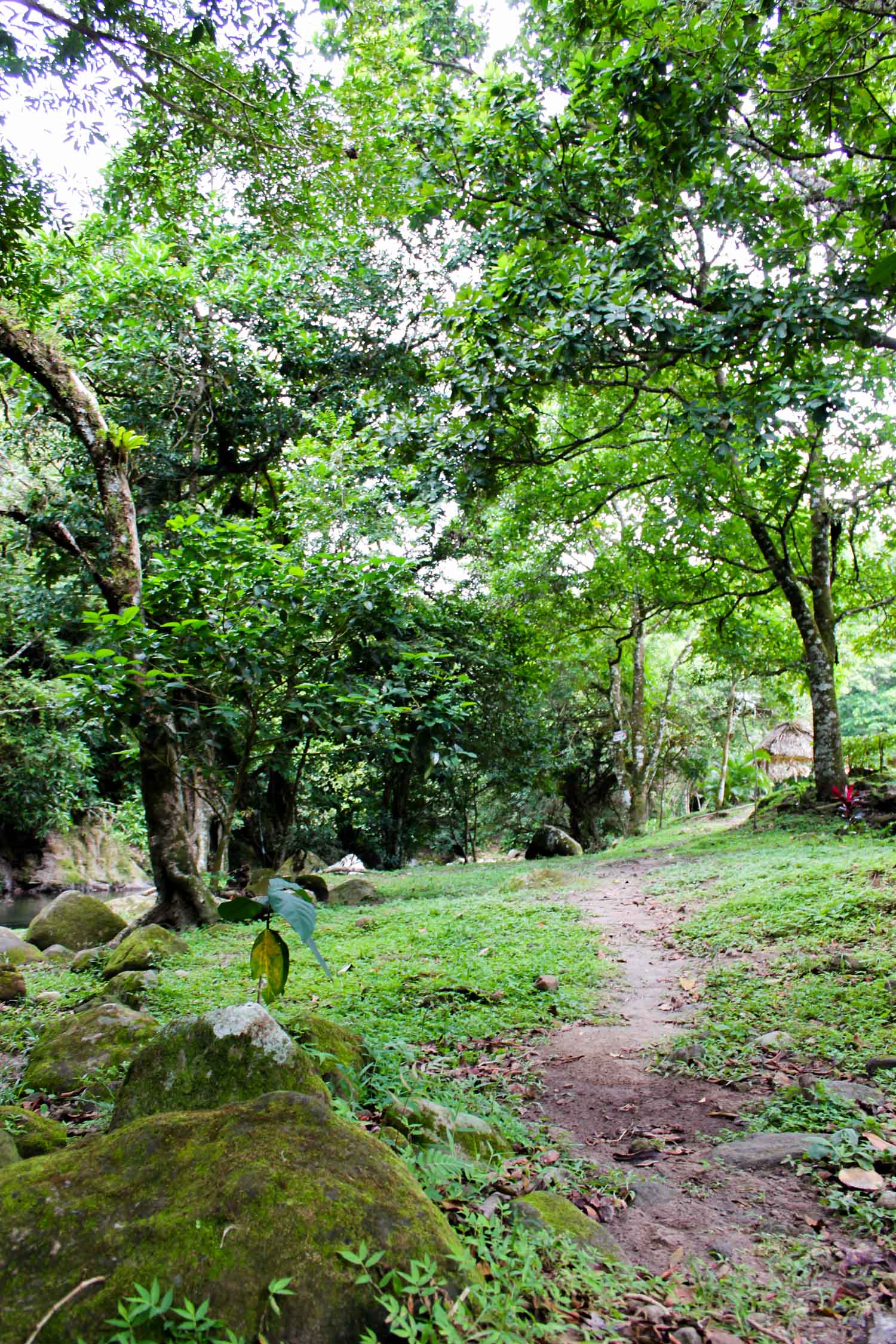
Getting to the tranquil valley town of El Valle from Panama CIty was relatively easy, but going anywhere besides Panama City afterwards can seem a bit of a challenge.
Guidebooks are light on information and I didn’t find much help online to help me avoid going back to the city before I could head up to Boquete.
Here’s my experience with the trip and some tips to help you avoid some of my mistakes.
After a quick walk in the morning I had breakfast at my hostel and packed my luggage. As a lot of people were still sleeping in the dorm, it took me a little longer than usual as I attempted to keep as quiet as possible.
I headed off at 9 am and caught a San Carlos bus at 9:15 am right outside my hostel which was located on the main road.
The trip to San Carlos was approximately 45 minutes from the centre of town. You are dropped off at the side of the highway near an overpass which you must cross to get to the bus stop on the other side.
Here I waited about 20 minutes to catch a David bus, but started to get anxious and jumped on the next Santiago-bound bus that I saw. The problem with getting the Santiago bus is that you must get off at the Terminal for one of the David - Panama buses. The Santiago bus will keep going to the main terminal where I believe you could get a mini-bus to David as well, so don’t freak out if you miss it. This leg of the trip was about 3 hours.
At the terminal I waited another 40 minutes before the next David-bound bus left. The terminal has a cleanish toilet and a cafeteria with cheap meal and drink options.
The David bus takes roughly 3 hours. My trip unfortunately took 4 hours due to heavy rain.
At the David bus station, after taking a quick toilet break, head towards the back of the station. Each stop has a sign above to indicate where they will be going, so just keep walking until you find the Boquete bound bus.
The trip to Boquete is roughly an hour long. The bus can drop you off along the way if your hotel is further out of town, or continue on to the Parque Central, the main plaza in the centre of town.
I arrived close to 7pm. What should have been a 7 hour trip (if everything went perfectly) had become a 10 hour day. Most of the delay was due to the heavy rain, even more reason to head off as early as possible if you are travelling in the rainy season.
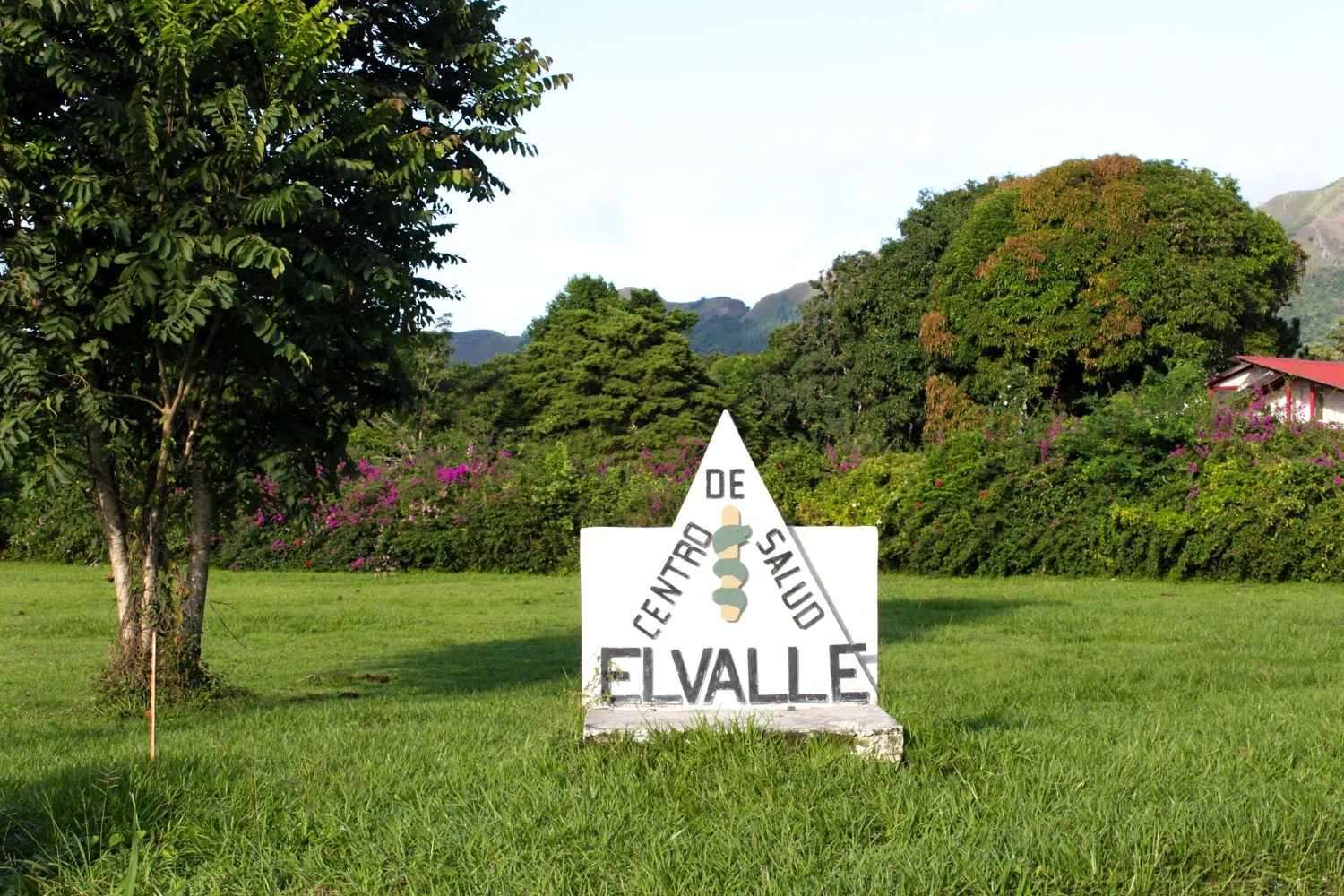
Here are some tips to help you get to Boquete as quickly as possible:
Leave as early as you can
Leaving early does two things:
you potentially avoid the awful traffic at the end of the day, and
if it’s the rainy season, you might avoid travelling in the middle of the afternoon rains.
Stay on the bus to San Carlos
You might get advice to get off the San Carlos bound bus at the very first highway stop once you get on the highway. Stay on until San Carlos, the David buses will only stop there.
Don’t catch the Santiago bus
Try to avoid the urge to catch the Santiago bus, really only use it as a last resort. A David bus will be more direct (less stops) and cheaper as well.
Be prepared for the Air-Con
Make sure you bring something warm for when the bus driver decides to create his own mini-Antarctica.
Know if you pay on the bus or need a ticket
Most of the buses ask for payment either enroute or at the end of the trip except for the Santiago to David bus where you have to buy a ticket at the little office on the left of the terminal.
Take some snacks
Either bring some snacks or some small change to buy snacks from local vendors who might get on the various buses along the way. You can get a proper lunch at the Santiago rest stop if you’re not too picky. There were some vegetarian options including a freshly made fried egg and salad sandwich.
Pack some entertainment
Bring some reading material or download a bunch of podcasts to keep you entertained. See here for some of my favourites.
Ask questions if you’re not sure
Don’t be afraid to ask questions! I almost missed the terminal stop at Santiago but I had mentioned to the ladies sitting beside me where I was planning on going and they made sure that I got off at the right stop. You might feel silly but tell the conductor where you are going and keep reminding him so that you get off at the right place.

Feel free to get in touch if you have any questions about the trip.
Good luck!

Boquete, Panama Travel Guide
Boquete is a charming little mountain town that has captured the imagination of expats and tourists alike. Read on to discover some of the activities and sights available as well as travel directions how to get there.
Boquete is a charming little mountain town that has captured the imagination of expats and tourists alike. It’s located in the province of Chiriqui about 60 kilometres from the border of Costa Rica. If you’ve been suffering in the heat in the rest of Panama, you might enjoy spending some time cooling off in Boquete, as it situated 1,200 metres above sea level. I really enjoyed my time there and suggest a stay of at least two or three days to really take advantage of your visit. Read on to discover some of the activities and sights available as well as travel directions to help you get there in this travel guide to Boquete.

Things to do in Boquete
Adventure companies abound in Boquete, so you will have your pick of outfitters. I chose Boquete Outdoor Adventures for my time in Boquete as they offered packaged tours over several days that saved me some money. If you’re travelling in the low season feel free to negotiate.
Coffee farm tours
There are a few different coffee farms that you can visit, but I really enjoyed Finca Dos Jefes. At this farm you get a great appreciation of coffee history, farming and process. Towards the end of the tour you get to enjoy a tasting session and also get to grind and roast a batch of beans! I really enjoyed the variety of content and the staff were very friendly.


Rafting Rio Chiriqui
I had a great time rafting with Boquete Outdoor Adventures. They did a great job keeping everyone safe and made sure we a fun day. Most companies provide a riverside lunch in the trip which is served buffet style. It was surprisingly one of the best meals I had in Panama with fresh fruit and lots of veges and snacks. It took a bit of willpower to not fill up so much I couldn’t get back into the raft.
Rock climbing
Climbing in Boquete is quite interesting as you get to experience rock climbing on natural basalt rock formations. Accessible to both beginners and advanced climbers, you will find companies who can guide you to an appropriate spot and provide you with all the gear you need.
Hiking
There are a few hiking trails not too far away that you can do both with and without a guide. If you an avid birder you can specify that you would like a guide trained in spotting the local wildlife and hopefully spot a Quetzal!

Hot springs
There are some hot springs located about half an hour away towards the town of Caldera. The local bus goes infrequently, but if you ask at your hotel they should be able to provide you with the times and directions. If you’re happy to spend a little bit more money, you could include this as a side trip in one of your tours or take a taxi there.
Mi Jardin es su Jardin
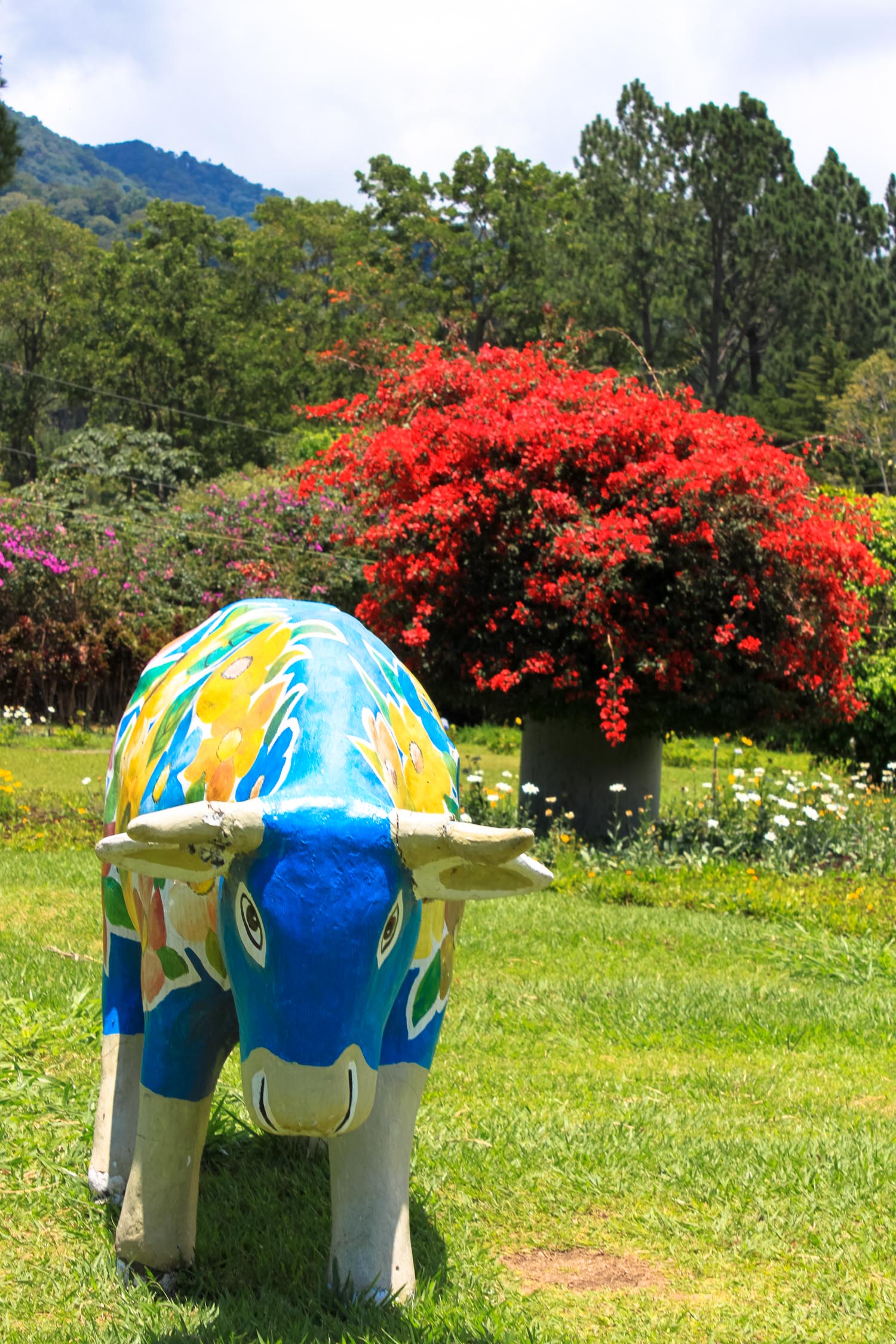
For a nice free outing you can visit this impressive garden on the outskirts of town. It is located in private property, but left open to the public to enjoy, thus the name - “my garden is your garden”. Even if you’re not that into flowers I would suggest spending an hour just wandering around this enormous space. Every corner you turn you will encounter another interesting statue or water feature.

Island Trip to Boca Chica
One of the most popular trips available is the island trip to Boca Chica. This was probably one of my least favourite adventure activities but still very enjoyable. If you go at the right time of year (June - October) the trip also includes whale watching. Once you get to the main town, you get into a boat bound for a small island with nothing but sun, sand and the water to amuse you. The company I went with provided snorkel equipment, towels and a huge lunch buffet for you to nibble on during the day. I wasn’t the biggest fan of this trip mostly because I felt the water was a bit rough to really allow for proper relaxation and the lack of facilities both on the island (understandable) and back at the main dock was a bit annoying.
I would suggest this trip for anyone not planning to spend any real time on either the Pacific or Caribbean coasts and want to have a nice day out at a secluded beach and see some whales at the same time.

Volcan Baru
You can choose to do this either by hiking 6-7 hours to the summit and a 3-4 hour back down or by taking a highly-modified jeep to the top. Both options usually have you leaving in the early morning hours (from 1am onwards) so you can be at the summit for the sunrise.
On a clear day you should be able to see both oceans, Panama and Costa Rica quite clearly. It is a spectacular sight.
Where to stay in Boquete
For such a cute little town, Boquete has a great selection of hotels for all budgets. Here are my top recommendations for unique places to stay in Boquete.
Hostal Garden
Hostal Garden is a great budget option located in the centre of town with dorms and private rooms. You're surrounded by a beautiful garden, perfect for relaxing with a book in a hammock. Or you could test your skill on the slackline! The best part is there are fruit trees all around the property and you're welcome to pick what you like and snack.
Check out their reviews on: Trip Advisor
Get the latest prices: Hotels.com | Expedia
Boquete Tree Trek Mountain Resort
Rustic elegance awaits at this mountain resort located a few kilometres outside of the centre of town. It's not hard to find nature when you're staying in Boquete but at this resort you will be surrounded by lush forest and gently babbling brooks. Keep your eyes open for the resplendent Quetzal! If you want a carefree vacation then this will be a perfect base. Boquete Tree Trek Mountain resort provides everything you need including tours and a restaurant and bar on site.
Check out their reviews on: Trip Advisor
Get the latest prices: Hotels.com | Booking.com | Expedia
Where to eat in Boquete
The town has a variety of cafes and restaurants to match your budget. Some of my favourite places to grab a bite were:
Sugar and Spice
- Breakfast with coffee from $5
- Lunches from $4.50
This place serves some great meals that include their fresh bread baked in-house. Besides the breakfasts and lunches you will find different baked treats that you can take away to help sustain you as you explore the town. There’s also some fresh fruit water located inside, so no need to purchase any drinks if you’re counting your pennies.
Big Daddy’s Grill
American style food including fish (and vege) tacos, burgers and pastas as well as margaritas. Food is actually quite good, but takes you into the $6-$10 price range.
Re Pomodoro
Pallet style pizza sold by the slice (from $1) or you can get a whole pizza if you have some mates to share with or want to pack some away in the hostel kitchen for another meal.
Getting there and away
To get to Boquete from most places you will usually have to change buses in David. It is about an hour trip. If you're coming here from El Valle De Anton it can be a bit tricky so check out this step by step guide on travelling from El Valle to Boquete.
There are also several shuttle operators that can take you to and from other popular tourist destinations, including Santa Catalina and Bocas Del Toro.
Have you been to Boquete or traveled in Panama? Let me know your thoughts on the region in the comments below!

You Might Also Like


Panama in 1 Week and 2 Weeks
Panama is a great country to spend a couple of weeks exploring. You can find an excellent diversity in its towns and cities and I believe there really is something for everyone here. Here are some suggested itineraries to get you started planning your holiday to Panama.
Panama is a great country to spend a couple of weeks exploring. You can find an excellent diversity in its towns and cities and I believe there really is something for everyone here.
From modern Panama City to surfer-friendly Santa Catalina. The cool and full of adventure Boquete to the islands of Bocas Del Toro. You can get into the native culture in San Blas or explore a volcano crater town in El Valle De Anton.
Here are some suggested itineraries to get you started planning your holiday to Panama.
Adventure and Beach (1 week)
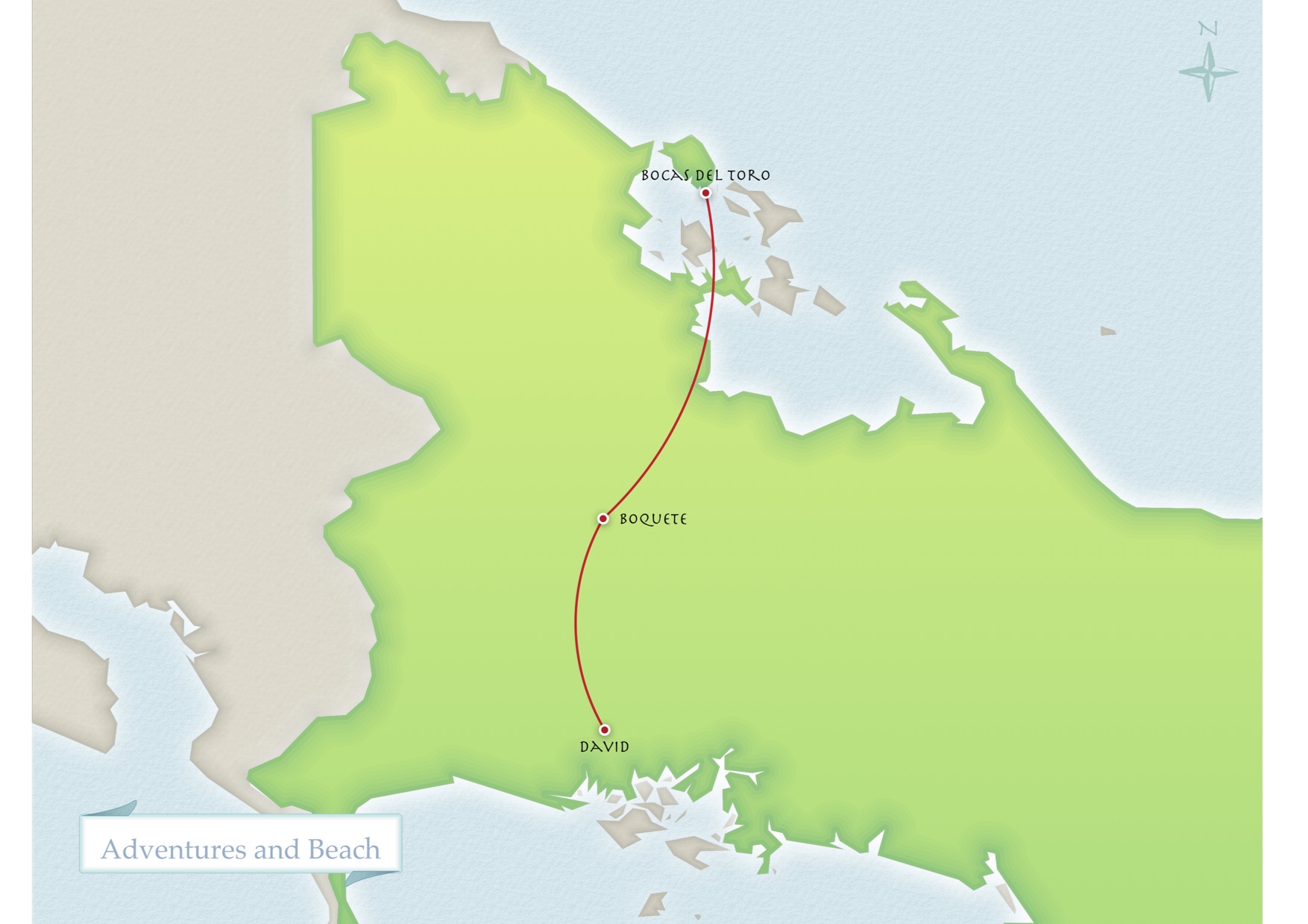
Fly to David - Boquete (3 days) - Bocas (4 days) - Fly out of Bocas
You can take advantage of international flights to Panama’s northernmost airport in David and head straight to Boquete for some mountain activities, including volcano hikes, rafting, bird watching and hot springs.
Once you’ve had your fill, head to Bocas Del Toro where you can end your vacation with some beach time and exploring the various islands located in Bocas. If you have some energy left you can visit bat caves, starfish beaches and Sloth Island.
Canals and Kumarca (1 week)
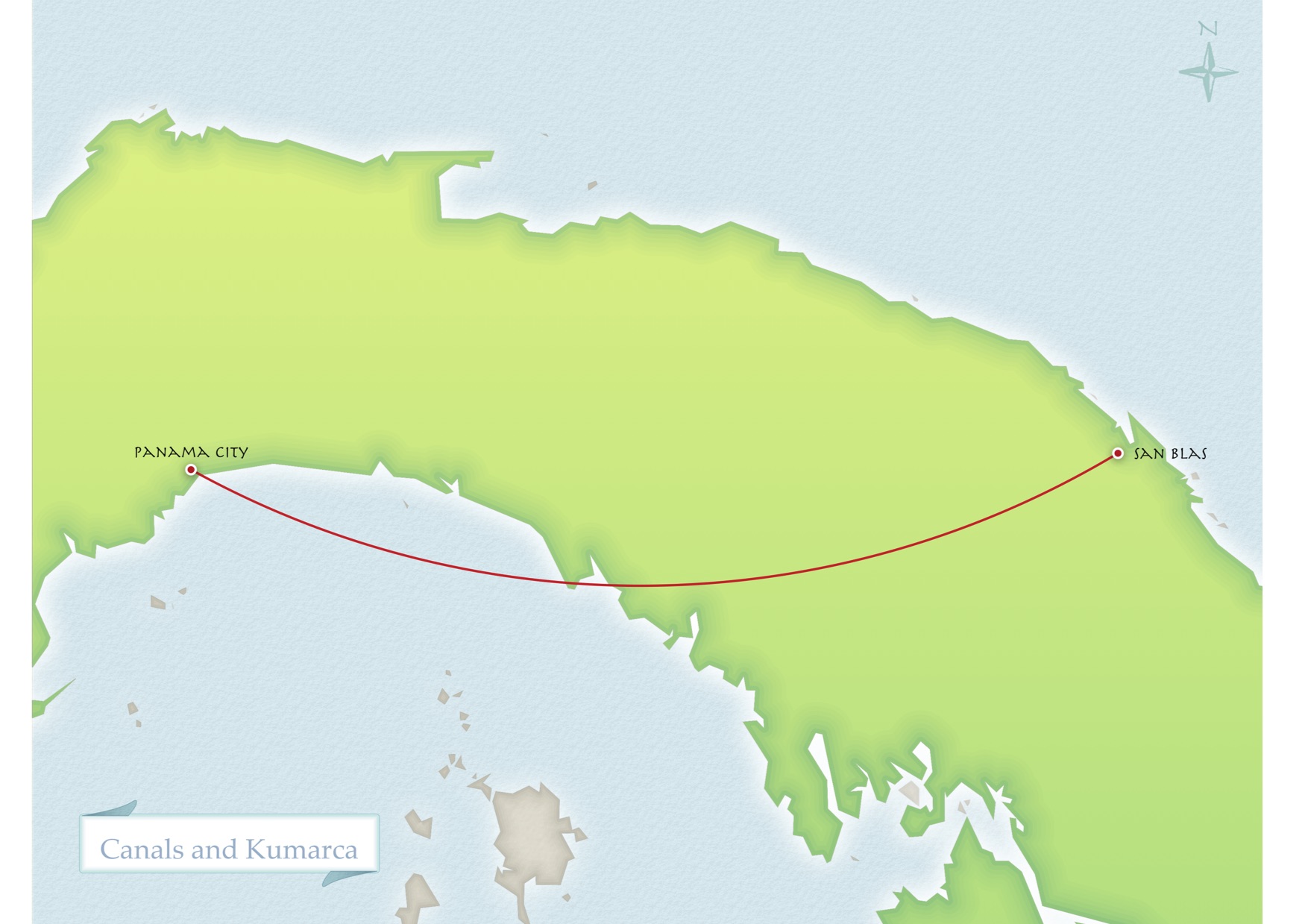
Panama City (3 days) and San Blas (2-3 days)/ El Valle (1-2 days)
Spend some time exploring the modern Panama City and see how almost 900,000 Panamanians live. There are many great activities that can occupy your time in this great city including seeing how the city has developed over its history with Panama Viejo and Casco Antiguo.
Once you’ve had enough city time, head to San Blas where you will be one of a very few people to visit this remote location. You can get to know the native Kuna Yala people while staying in one of the tiny islands with a local family and also experience one of the most beautiful locations in the world.
If you have a couple of extra days round your trip out with some time in El Valle De Anton. Take in the mountain air, have a dip in the hot springs or attempt one of the tougher hikes in the region, La India Dormida.
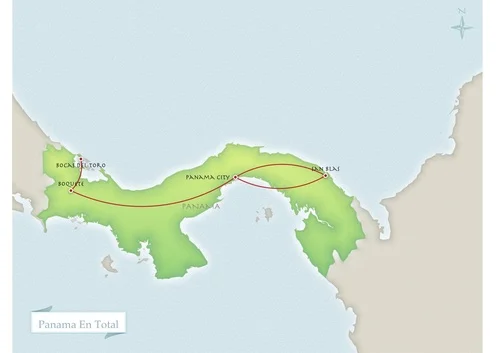
Panama en total (2 weeks)

Panama City (3 days) - San Blas (2 days) - Panama City - El Valle (2 days) - Boquete (3 days)- Bocas Del Toro (4 days)
Tip: You can also visit Santa Catalina after Panama City or instead of El Valle if you’re into surfing.
If you have more time, you could easily extend your stay in one of these places. I spent 6 weeks in Panama and could have certainly spent much more time exploring the country.
Check out some articles on travel in Panama here: Panama Travel Guides.
Any suggested itineraries or places off the beaten track that you can recommend?
El Valle De Anton Travel Guide
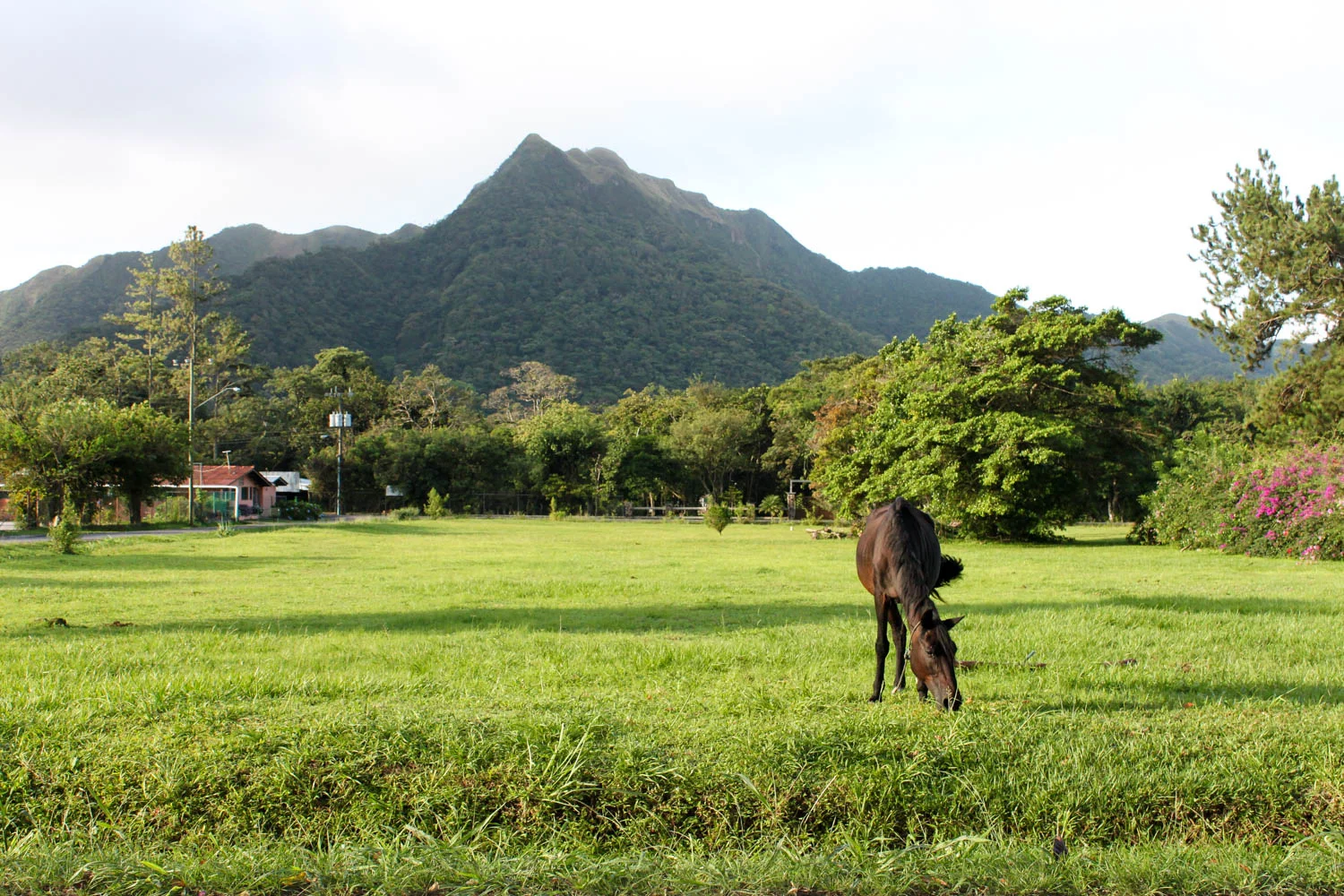
El Valle is a beautiful little mountain town located in the largest inhabited volcano crater in the world. It enjoys a lovely spring climate all year round. I spent hours wandering the streets of the town enjoying being surrounded by the amazing views and greenery, feeling very safe and at peace.
If you have a spare couple of days, I suggest a brief stop here, a great opportunity to relax or regenerate your travel mojo.
El Valle De Anton, Panama is a beautiful little mountain town located in the largest inhabited volcano crater in the world. It enjoys a lovely spring climate all year round. I spent hours wandering the streets of the town enjoying being surrounded by the amazing views and greenery, feeling very safe and at peace.
If you have a spare couple of days, I suggest a brief stop here, a great opportunity to relax or regenerate your travel mojo.
Things to do
Getting around town to the various sites and attractions is really easy, with signs posted everywhere you go. If you get a bit lost don’t be afraid to stop and ask any of the locals. They are some of the friendliest people I have met in my time in Panama.
You should also spend a half-day by cycling. Bikes are available to hire at either your hostel or one of the rental places around town. Most people seem to get around by bike and you can feel relatively safe on the roads around town.
Hiking
You can easily spend a few hours just wandering the town and taking in the spectacular greenery. For the adventurous traveler, there are several hikes to attempt, including the challenging La India Dormida -The Sleeping Indian Girl.
Another great hike is the Cerro Cariguana. It is best done at around 4:30 pm to get a great view of the valley with the dramatic background of the sunset. Take a flashlight or headlamp to get back to town in the dark.
If you want to do a short hike, you might like to visit the Arboles Cuadrados or the Square Trees. I say ‘might’ because you will have to use your imagination on this one, but it is a pleasant walk.

Waterfalls
I visited Chorro Las Mozas while in El Valle and enjoyed a dip in the river after a short walk to the waterfalls. The walk is a bit tricky at times, but shouldn’t take longer than 10 minutes.
It costs $1 to enter, but if you get there before opening hours you should be able to enter without charge.
The other waterfall in town, Chorro Del Macho is certainly more spectacular but does cost $5 to enter. There is a small suspension bridge and while you can’t swim at the waterfall, there is a man-made pool you can have a dip in.
Hot Springs
The Pozos Termales are located very close to the centre of town. With a $3 entrance fee, it’s a cheap way to recharge your batteries and chat with other travelers and locals. You can even smother yourself in natural mud for an instant facial.
Many travelers I met couldn’t get enough of the experience, but keep in mind that these hot springs are not as hot as you might be used to (think warm) and this is definitely not a luxury spa experience. Keep that in mind and you should have a nice time relaxing in the waters.

Wildlife
If you would like to see some local wildlife check out El Nispero Zoo which has a great frog exhibit. This includes a chance to see the Gold Frog which is native to El Valle.
There is a Butterfly Haven with a $5 entrance fee that includes a guided tour. You can see not just butterflies in their different life stages, but also hummingbirds and local birds in their garden. This is a great rainy day activity as the space is fully covered.
If you’re into creepy crawlies then a visit to El Serpentario is a must! It is a small snake house with a $1 entrance fee. You get to be as up-close and personal as you wish to a variety of snakes and even get your photo taken with a boa-constrictor.
El Mercardo
There is a local market located in the center of town with two sections - local produce and arts and crafts.
Eating out
There are several restaurants and cafes in El Valle. I did find prices to be on the higher side, but there are some great local options and more international style fare. Vegetarians should find it pretty easy to find something to eat at most of the restaurants in town.
If you’re on a budget you could find a hostel with a kitchen to create your own dishes with local produce. The local bakery, Cano Panaderia, has delicious fresh bread and well-priced sandwiches. Another great option is Carlitos. While most of their food is quite pricey, they have empanadas for $1.40 including vege options.
Where to stay
There are a lot of options in all different price brackets in El Valle. From boutique hotels with lush gardens to hostels and locations all around the town.
I stayed at Bodhi Hostel in their 27-bed dorm. For $15 you got a comfy bed with privacy curtains, individual fan and light, as well as a pancake breakfast. It wasn’t anywhere as horrific as I imagined a 27-bed dorm could be, but I didn’t stay there when it was at full capacity.
They have some lovely small touches that I haven’t seen in any other hostels I’ve stayed at, including a little bag in your bed to put small items that are handy to have close by (a pair of glasses, for example) and a little cubby to put your toothbrush and toothpaste near the sinks. They had just started up a free morning yoga which looked like a lot of fun.

The town centre with la india dormida in the background. Spot her?
Getting there and away
Getting to and from El Valle via Panama City is super easy. There is a direct bus that leaves from the main bus terminal in Panama City every 30 minutes. It’s about 2.5 hours and costs about $4.50.
Heading back to Panama City you will need to catch the same bus, which will say “Panama - El Valle” in the window, from the main road in El Valle De Anton.
Try to do the trip in the daylight so you can take advantage of the spectacular views on the way. Also, make sure to look out for the outline of La India Dormida!
Getting to anywhere else is a little bit trickier. You need to catch a local bus to San Carlos (approx. 45 minutes) which passes through the main street every 20 minutes. From there, you need to wait at the bus stop on the highway for a bus to pass by. Depending on where you're heading to next the best options are usually a David or Santiago bound bus.
I went to Boquete after El Valle De Anton and found the experience to be relatively straightforward but quite long. Be prepared with some snacks or bring along some change to grab some on the way from the local vendors who hop on the bus. You can read a more detailed report of my trip here.
Planning on exploring around Panama for a few days? Check out my suggested itineraries for Panama for advice on how to spend a few days to a few weeks in the country.


Have you been to El Valle? Any other experiences you'd like to add or favourite places to stay or eat at?

How To Have a Successful (Temporary) Travel Partnership
Meeting other travellers on the road can be one of the most enjoyable parts of travelling. As a solo traveller, it can also be a great opportunity to band together for a time, giving each other company and sharing costs.
Here’s some advice to help you succeed in your new travel duo or trio.
Meeting other travellers on the road can be one of the most enjoyable parts of travelling. As a solo traveller, it can also be a great opportunity to band together for a time, giving each other company and sharing costs.
I am naturally quite introverted at home and really enjoy my own company and a good book but when you're travelling for weeks at a time even the most hermity of all hermits will eventually crave some human interaction. I generally find myself travelling with other people for at least 20% of my time away. That could just be hanging out for a couple days at a time or my record was two whole months (on and off) with a lovely couple from Alaska.
I've learnt ALOT from my experiences with my temporary travel buddies; made some poor decisions and also let my temper get to boiling point a few too many times. There are definitely some do's and don'ts when it comes to partnering up while on the road.
Here’s some advice to help you succeed in your new travel duo!
Talk about your budgets
This is extremely important! Arguments about where to stay and eat can ruin friendships. Some travelers like to stay in the cheapest local hotels available and cook very low cost foods for every meal, choosing instead to spend money on activities or just extend their trip for the longest time possible. Others spare no expense, staying in 4-star hotels and eating out. The majority, like myself, sit somewhere between these two extremes.
At the very least you need to understand where your travel buddy sits on the spectrum and I highly recommend agreeing ahead of time on daily budgets for accommodation and food.
Discuss interests and priorities
Once you’ve made sure you’re on the same wavelength money-wise, it’s a good idea to talk about what your “must-sees” and “must-dos” are. If these don’t match up at all then it might make for some frustrated conversations over how to spend your days or in which towns you want to stop.
Make sure it’s clear to each party what the priorities are so you don’t get too far before realising your priorities aren’t aligned.
It’s also important to make sure you are somewhat similar in your travel habits. Are you a party animal or do you get up to watch the sun-rise? Would you be annoyed if someone was never on time and kept you waiting, or are you happy to keep things flexible?
Figure out what’s important to you in a travel partner and make sure to figure out if this new person meets your minimum criteria. Opposites can attract, but you don’t want to be stuck with someone who has completely different values.
Give each other space
Regardless of if you are travelling together for one day or one week, make sure that you’re aware of your own need for space as well as your travel buddy’s. Making new friends, seeing new things and having new experiences is exhilarating, but can also be tiring and sometimes emotional.
There’s likely a reason you’re travelling on your own in the first place and if the reason is that you like your own space then make sure to communicate that to your new travel buddy.
Plan your time together in chunks
I recommend against planning extended time together. Once you’ve figured out that you have some similar travel plans, I suggest tentatively booking only a few days in advance. Our feelings towards people change as we get to know them and that’s fine, but it’s worth keeping in mind.
Remaining flexible and not booking accommodation and travel too far ahead can help you avoid feeling trapped with your travel buddy if you need space or your feelings about them change.

Maintain your level of security
One of the benefits of setting out with a temporary travel partner is sharing the cost of accommodation. If you would usually stay in a dorm bed you might be able to share a private room instead for a similar or slightly higher cost.
This means that where before you might have had your own locker you will have to trust this person with all your valuables. As you travel together you will start to gain each other’s trust, but make sure to keep your things safe, ultimately they are your responsibility.
Keep up the communication
After being on the road together a while it could be a good idea to have a chat and make sure your travel plans are still what you both want. Bring up anything that you think you want to hear as a travel partner.

Not getting along so great?
Know when to call it quits
There could be many signs that it’s time to part ways:
you’re no longer enjoying each other’s company;
you’re headed in different directions; or
if your travel plans or goals are not quite aligned
Having this conversation with your travel buddy can be difficult, but the key is to be respectful and honest. Don’t take the easy way out and leave them with a lot of maybes. “Maybe we can meet up in this town” or “Maybe we can do this together in a couple of days”. Just let them know that you’re ready to move on and you’ve enjoyed the time you have had together. Keep it simple and try to give them enough notice so they can make other plans.
Note: If the reason you want to head off solo is because the other person is just not a great mate for you then no need to tell them all the reasons why!
Make the most of your time together!
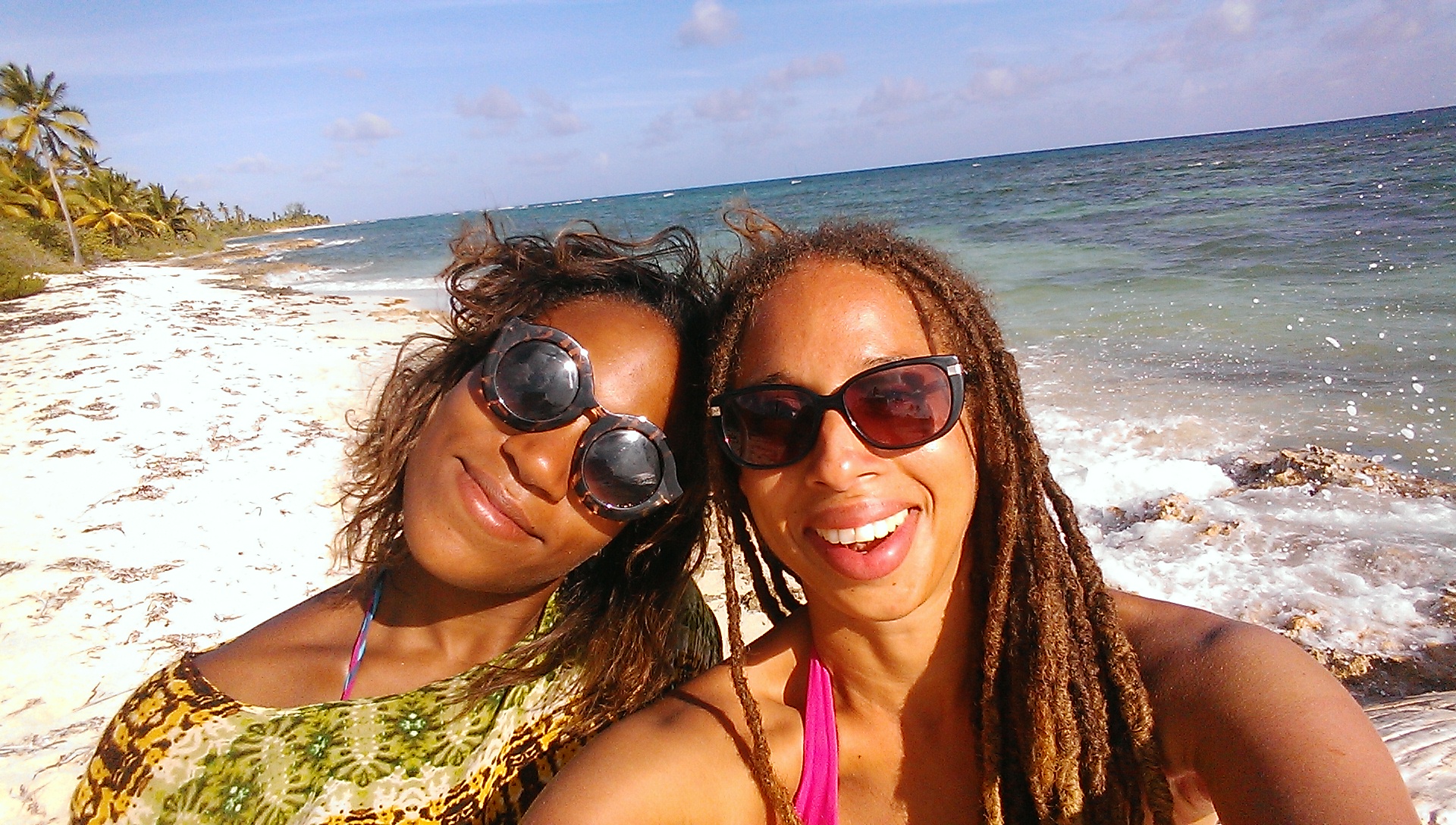
This is the fun part. It can be great having another person to share special experiences with and to talk through the events of the day.
While you are together make sure to also take advantage of having another person to help you with all those little things that could get annoying when you’re solo. No longer do you need to take your backpack into the gross toilet at the bus station. No more awkward selfies at important monuments. No more solo surcharges on tours or getting knocked back because there’s only one of you.
Summary
Travelling on your own is great and I would never have it any other way, but when you find someone you enjoy spending time with and getting to know, that also happens to have similar plans as you, rejoice! This could be just the break you need from being on your own.
Do you have anything to add? Ever met up with someone new on the road and figured out too late that they were not the right fit for you? What are some other advantages of finding a temporary travel buddy on the road?
How to Budget and Save for Your Trip
When I made the decision to head off on a long-term trip I had to first work out how much it was likely to cost me, how much I wanted to save and if I was willing to work on the road. Once I knew what my saving goal was I then set out to work out achievable ways to get there.

When I made the decision to head off on a long-term trip I had to first work out how much it was likely to cost me, how much I wanted to save and if I was willing to work on the road. Once I knew what my saving goal was I then set out to work out achievable ways to get there.
This outline might not be relevant for everybody as I do confess to having quite an indulgent lifestyle. These costs are also all in Australian dollars and you might not be aware but us Aussies get charged way too much for things.
Step 1: Cut out the small things
My very first step was to identify what spending I could cut-out of my life without drastically changing my lifestyle. Here are some examples of what I found in my own life that I could do without or have less of:
Spotify subscription $9.99 pm
Other subscription services (online magazines etc.) - $15 pm
Daily coffee $4 pd
Daily lunches $8 pd average
Occasional breakfasts - $15 pw
Drinking during the week (unless it’s for an occasion) - $30 pw average
Total saving - $444.99 per month!!
Basically, I started cooking more at home so I could have delicious left overs for work, switching to yummy flavoured tea instead of suffering the office's instant coffee and finding free alternatives to paid subscriptions.

What about the big stuff?
Everyone has different goals. If you're like me and travel is a major goal you could consider making some bigger changes to your lifestyle. Consider getting some financial advice and seeing where you could adopt an alternative lifestyle to start putting money away for a big trip or even many small ones.
To provide further context on my personal situation, I had already gotten rid of my car when I first started travelling ten years ago and rent instead of owning. Where I live in Australia, I could save a lot more money by renting an apartment than paying a mortgage. When considering home owner costs like insurance, rates and body corporate fees I decided to put the amount that I saved every month directly into a savings fund specifically for travel that I never touch.
Likewise with car ownership, as a depreciating asset that only costs you more money to maintain, I opted to become one of the few of my friends who waked, biked or used public transport. The important thing is to consciously make the decision to take the hundreds that you would save from these major expenses and put them away.
Step 2: Be more mindful about casual spending
I wasn’t super frugal but I did make an effort to really think about whether I needed the “nice-to-have” items that I encountered during the day.
If my friends were having delicious bubble tea, did I have to have one? Could I just sip on my water bottle?
Do I really need that chewing gum? The answer could be yes if I cooked the night before as I am pretty heavy handed with the garlic.
Do I actually need 3 glasses of wine with dinner or could I be happy with just one?
I’m also a big reader and instead of picking up a new book anytime someone recommended one to me, I put out a call to my friends to lend me any they thought I would like.
More often than not it was pretty easy to abstain if you give yourself some guides to measure against. Here were some of mine:
Two lunches = one night in a hostel in Antigua, Guatemala
A bubble tea = Dinner out
Two glasses of wine = A one hour horse ride in the Nicaraguan countryside

two glasses of wine or a ride on this beautiful girl? I know which i would choose!
Step 3: No more Shopping
The lifestyle I had grown accustomed to saw me buying what ever caught my fancy. I loved “sales” and quickly accumulated a wardrobe filled with more clothes than I could ever need. Once I made the decision that I was going to be travelling long term, I enforced a “No New Stuff” rule.
That meant:
No clothes;
No jewellery;
No shoes;
No house stuff; and
No electronics (unless I would be taking it with me).
To be perfectly honest, it started to feel very liberating. I realised I was under the control of big corporate marketing, getting excited every time I got a sale email or spotted a 2 for 1 deal and by allowing myself to step outside of that space, I felt like a weight was lifted off my shoulders.
I no longer needed to think about whether I should buy something new to go to a friend's wedding or if I should replace my ailing frying pan. Buying something new was no longer an option, I just had to make do.
Summary
These are just some of the things that worked for me. I do know that I could have made some more drastic changes to save much more money but for me it was important to find a balance. I started planning for my trip a year out and I knew that if I made too big of a change I would just be miserable for a year.
I could have moved in with my parents, who live 40 minutes away from the city and my work, but I would not have been able to see my friends as much or as easily and I wouldn’t have the privacy that I am used to.
I could have also eliminated more socialising from my life but again I didn’t want to treat that year as a waiting period. A whole year in my life that I was just wishing away waiting for it to be over so I could start travelling.
I hope that these points at least give you some ideas to help you with your own saving goals. Check out this guide on saving money while traveling for tips once you've bought your ticket and have headed off!
Create a budget and be aware of where your money is going.
Start looking for the small things in your life you can stop paying for.
Look for cheaper transport alternatives, could you ride a bike or walk instead of public transport?
Have a clear idea in your mind how much certain things will cost when you’re on your trip to help make quick decisions about casual spending.
Unsubscribe from all email marketing lists (unless it’s travel related of course).

Isn't this worth all the sacrifice?
After 10 years of travel in Central America, I finally made it to Belize, my elusive last country. Here are my very first impressions after spending a few weeks there.